

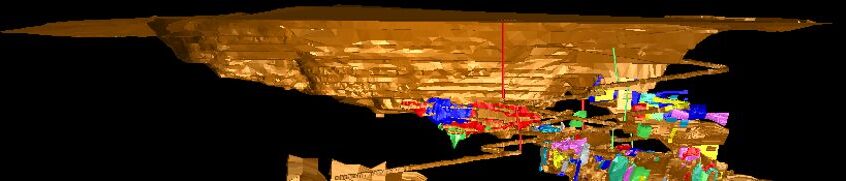
What IS Technical Data?
The fundamental information that underpins all your analysis, evaluation, reporting and decision makingThese days its so much more than the alphanumeric base data we are used to…

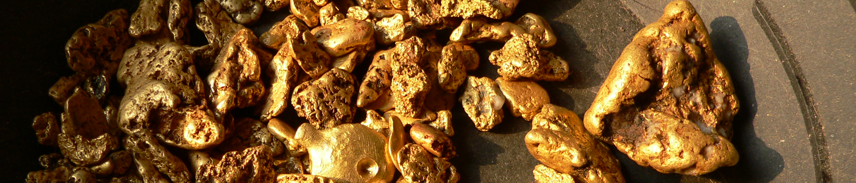



Turning Technical Data Into Decisions You Can Trust
Practical technical data management, data solutions, consulting and training for people working with geological and mining data. Since 1984, GDD has helped teams bring order, confidence and clarity to their technical data, so they can spend less time untangling information and more time using it well.

What We Help You Do
Your technical data is one of your most valuable project assets. GDD helps you turn fragmented files, legacy datasets, field records, images, documents and database tables into reliable master technical datasets that support analysis, reporting, compliance and decision-making across the mining life cycle.
- Collect data through practical field, import and capture workflows.
- Manage data with validation, standards, governance and provenance.
- Analyse data through accessible, auditable datasets ready for reporting, modelling and decision-making.
Our Services
|
Master Technical Data Management |
We review, tidy, strengthen and implement technical data environments, including databases, standards, data migration, validation, integrity checking and long-term stewardship. |
|
Data Management Solutions |
Our gPick applications and geoUte utilities help teams capture, organise, validate, search, report and package technical data without losing the story behind it. |
|
Technical Resources Consulting |
We provide practical exploration and mining geology support, mineral resource and ore reserve estimation, JORC-aligned reviews, audits and technical guidance. |
|
Training |
Hands-on training that helps your people understand, manage and use their own data with more confidence, from SQL and databases to standards, procedures and geological workflows. |
|
Community Projects |
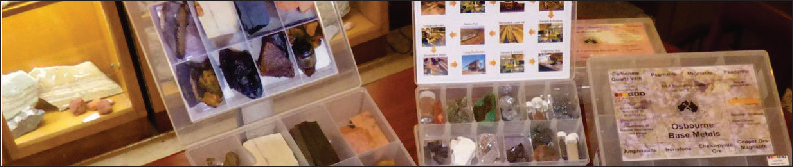
We are proud to support the GSAQ Roxette rock and mineral specimen set project, helping schools give students practical, hands-on Earth Science learning resources. |
GDD’s Data Philosophy
At GDD, we believe good decisions start with good data. That means data should not be hidden in hard-to-follow processes or scattered across disconnected files. Our approach uses explicitly modelled data: visible, well-structured and unambiguous datasets that people can understand, validate, audit and use with confidence.
- Master Working Technical Data: the single point of truth used for analysis, modelling, reporting and decisions.
- Master Source Technical Data: the original, complete and unaltered data retained for auditability and context.
- Linked supporting evidence: images, documents, maps, certificates, reports and metadata connected directly to the records they support.
- AI-ready foundations: AI and advanced analytics increase the need for complete, validated and auditable master technical data.
In plain terms: collect it properly, keep it clearly organised, know where it came from, and make it easy for the right people to use.
Data Management Solutions
GDD’s database application suite has grown from years of solving real technical data problems. It is built for teams that need practical tools, clear workflows and connected information rather than another collection of isolated files and spreadsheets.
- gPick applications: integrated technical database systems for surface exploration, drilling, grade control, production reporting, hydrology, environmental data, resource modelling and field collection.
- gNeric platform: reusable database functions, metadata-driven forms, validation, querying, reporting, linked objects, user configuration and administration tools.
- geoUte utilities: practical tools for file cataloguing, data preview and assembly, image processing, validation, comparison, reporting and document assembly.

Experience That Keeps Projects Moving
|
40+ years |
Experience supporting geological, mining and technical data environments since 1984. |
|
120+ systems |
Technical data management systems implemented across around 40 organisations. |
|
Full lifecycle coverage |
Exploration, delineation, resources, production, grade control, reporting, geotechnical, environmental and closure monitoring data. |
|
Practical mining context |
Training and systems built around rocks, drill holes, assays, surveys, production and real resource-sector workflows. |
Hands-On Training for Confident Data Stewards
GDD provides practical, site-based or off-site training designed to help your people become confident stewards of their own technical data. We keep the training grounded in real resource-sector examples, including rocks, drill holes, assays, surveys, production data and the systems your team actually uses.
Community: GSAQ Roxette Rock and Mineral Sets
GDD is proud to support the GSAQ Roxette Project, a community-service initiative that provides integrated rock and mineral teaching sets to schools and educational institutions. It is a practical, volunteer-powered project that helps students pick up, compare and understand real geological specimens.
Ready to Make Your Technical Data Easier to Use?
- Start with a data health check — review your current systems, standards, workflows and risk areas.
- Explore GDD solutions — see how gPick and geoUte can help make your technical data easier to manage, validate and use.
- Plan training for your team — build practical data management skills using examples that make sense to technical staff.
- Support the Roxette Project — find out how to contribute materials, time or support to the rock and mineral set initiative.

Beige Technical Paper No. 73
Does Technical Data Matter?
You’ve Got To Be JORCing!
Well, Andy has run out of excuses….
Prompted by the impending release of the latest revision of the JORC Guidelines (Joint Ore Reserves Committee) , and the AIG Seminar on Technical Master Data Management late last year, Andy is restarting his newsletter, which will include a series of technical beige papers on understanding and mastering your master technical data 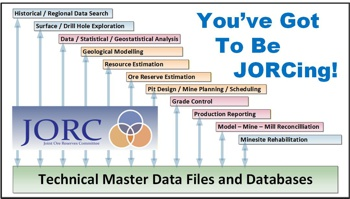
More detail on the Beige Paper series are available in this PDF, but in summary, read on –
The articles, under the series title ‘You’ve Got To Be JORCing’, (Jocular Outrageously Real Cacophony) are presented under the following broad categories –
- Master Technical Data Management – Is It Important?
- The Master Working Data Set
- The Master Source/Original Data Set
- So What IS Technical Data?
- Technical Data Management Processes
- In Search of Standards
- Technical Data Aspects Needing Attention
If you would like to receive the newsletter, let Andy know; further details of the Beige Paper series are available in this PDF, along with Andy’s details